Does Bird Poo Damage Car Paint? The Surprising Science Behind It
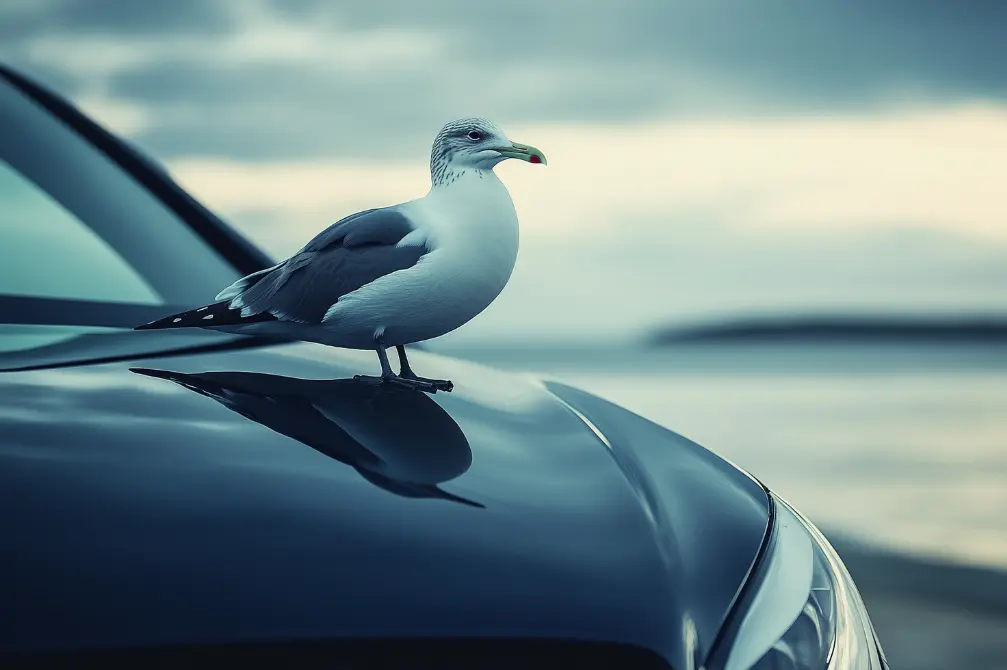
We’ve all been there. You’ve just spent your Sunday afternoon lovingly washing and waxing your car to a mirror-like shine, only to find it decorated with a splatter of bird droppings an hour later. It’s enough to make you wonder if our feathered friends have some sort of personal vendetta against clean vehicles.
But beyond the obvious annoyance, a more serious question emerges: does bird poo really harm your car paint? The short answer is yes—and more severely than you might think. Let’s dive into the messy world of avian droppings and discover why your car’s paintwork might be in genuine danger.
Unlike mammals, birds have evolved with a rather efficient waste disposal system. They’ve got what scientists call a cloaca—a single opening that serves as a multi-purpose exit for, well, everything. This anatomical shortcut means birds don’t produce separate wee and poo like we do. Instead, they create a charming cocktail of both simultaneously.
The result? That distinctive white-and-dark splatter that’s become the bane of car owners everywhere.
When you look at a bird dropping (not that we’re suggesting you examine it closely), you’ll notice several components:
It’s this unique combination that makes bird droppings particularly troublesome for your car’s paint. The uric acid is the real villain here, with a pH level as low as 3.5 to 4.5—making it significantly acidic.
If you’re wondering whether bird poo actually harms your car paint or if it’s just an old wives’ tale, the science is clear: it absolutely does. Here’s why:
Your car’s paint isn’t just a single layer of colour. It’s a sophisticated system of layers, with the clear coat serving as the protective shield. When bird droppings land on your car, the uric acid begins to eat into this clear coat.
Think of it like spilling vinegar on marble—it might not happen instantly, but leave it long enough, and you’ll see the damage. In hot weather, this process accelerates dramatically.
On a warm day, your car’s paint expands in the heat while the bird dropping dries out and contracts. This creates a tension between the two surfaces, often leading to what detailers call “etching”—permanent marks that remain even after you’ve cleaned off the droppings.
How quickly does this damage occur? It depends on several factors:
Studies have shown that on a typical UK summer day (those rare beauties when temperatures reach 25°C or above), bird droppings can begin to cause visible damage within just 3-5 hours.
It’s a question that has puzzled motorists for generations: why do birds seem to have an uncanny ability to target our vehicles? Is it some sort of avian conspiracy? While we can’t rule that out entirely, there are some more rational explanations:
Birds aren’t known for their self-awareness, and many species will attack their own reflection, thinking it’s a rival. Your car’s shiny surfaces provide the perfect mirror, and when a bird gets confronted with its own reflection, it might panic and, well, release the contents of its cloaca.
Birds love to perch above our parking spots. Trees, lamp posts, telegraph wires—all provide excellent vantage points. And like most creatures, birds tend to relieve themselves before taking flight to reduce weight.
It’s not just your imagination—birds do seem to prefer targeting freshly cleaned cars. Some researchers believe this is because clean, shiny surfaces reflect more light, making them more noticeable to birds. Others argue it’s simply that we notice droppings more on a clean car.
Some bird species are fiercely territorial. When they see their reflection, they might interpret it as an intruder and respond accordingly—either by attacking or marking their territory in the most primitive way possible.
Now that we understand the problem, let’s talk solutions. How can you protect your car’s paint from these aerial assaults?
The single most important thing you can do is remove bird droppings as quickly as possible. Don’t wait for your next scheduled wash—those acids are eating away at your paint right now.
Some motorists have reported success with bird deterrents:
Let’s address some common misconceptions:
While seagull droppings are particularly acidic thanks to their fish-heavy diet, all bird droppings contain uric acid and can cause damage.
Rain may dilute the droppings, but it rarely removes them completely. The damage process might slow down, but it doesn’t stop.
While modern clear coats are tougher than older formulations, they’re still vulnerable to acid etching. No paint is completely bird-proof.
If you’ve been unlucky enough to discover etchings or marks after removing bird droppings, all is not lost:
Professional detailers and paint correction specialists can work wonders on acid-etched paintwork, often restoring it to like-new condition without the need for repainting.
So, does bird poo really harm your car paint? Absolutely. It’s not just an unsightly nuisance but a genuine threat to your vehicle’s finish. The combination of acidic chemicals and the mechanical stress caused by heating and cooling can leave permanent marks on your paintwork if not addressed promptly.
While we can’t stop birds from doing what comes naturally, we can be prepared. Keep some water and microfibre cloths in your car, be vigilant about where you park, and remember that when it comes to bird droppings, time is quite literally of the essence.
And next time you see a pigeon eyeing up your freshly washed car, you’ll know exactly what’s going through its tiny bird brain. It’s not personal—it’s just biology. Though it certainly feels personal when it’s your car on the receiving end!
Need help with bird dropping damage? Our professional mobile car body repair service can restore your paint and protect it from future damage. Get a free quote today!
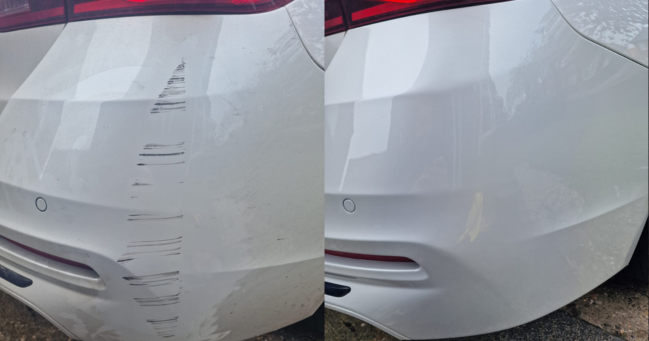
Our nationwide team of repairers are ready to help you with any car body repairs. We come to you!
Click here for your free quote